You know the game I’m referring to, right?
Suicide Squad: Kill the Justice League. What a disaster for Rocksteady after back-to-back successes with the Batman: Arkham series.
The game launched on February 2, 2024, and support ended less than a year later on January 14, 2025. For a major AAA live-service title backed by Warner Bros., that’s a remarkably short lifespan. Reports suggest the publisher took a $200 million hit, highlighting just how badly the game missed expectations.
What’s perhaps most surprising is that Marvel’s Avengers managed to survive longer despite receiving many of the same criticisms. By the time Suicide Squad arrived, it felt as though players had grown tired of live-service superhero games filled with battle passes, microtransactions, and repetitive endgame grinds. Many fans simply wanted another great single-player experience from the studio that delivered the Arkham games. What an experience they were as well!
It’s now approaching eleven years since Batman: Arkham Knight released, and it remains one of the finest superhero games ever made. That’s what makes Suicide Squad’s failure so frustrating. Yet ironically, hope may have arrived in an unexpected place.
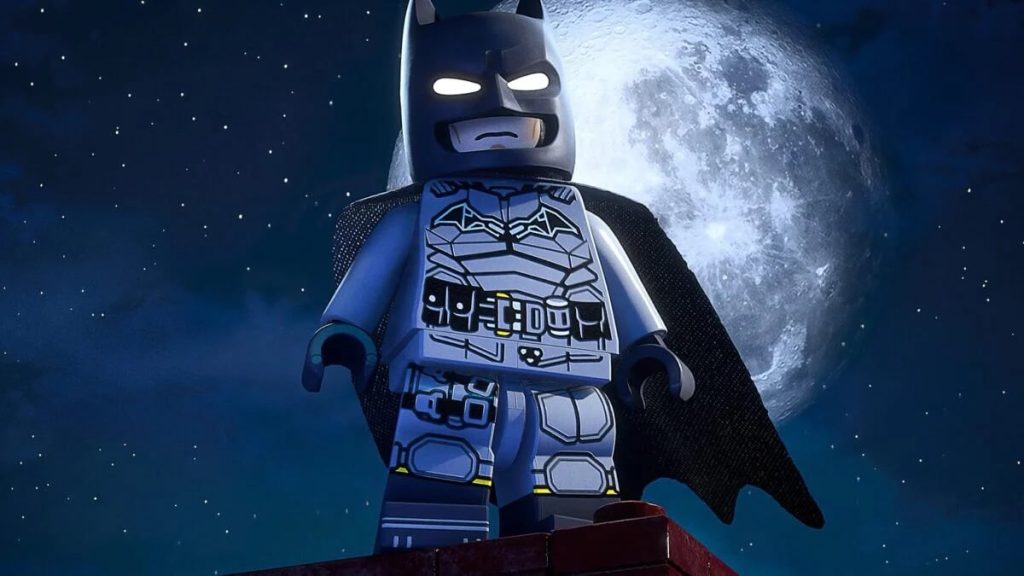
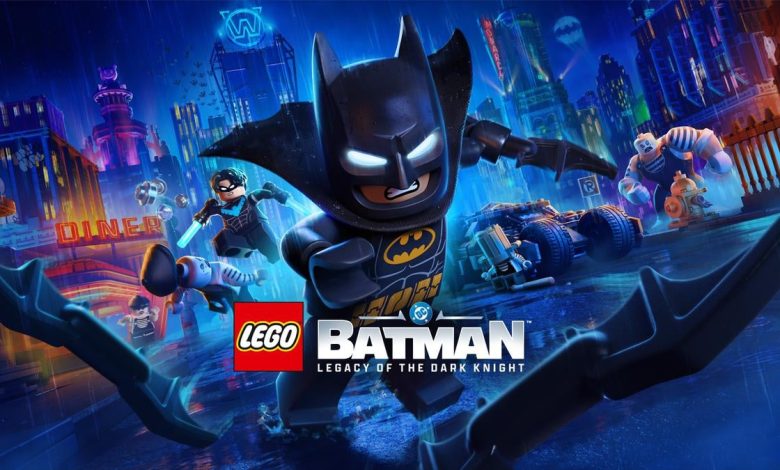
Rocksteady contributed to Lego Batman: Legacy of the Dark Knight, with reports indicating that around 24 developers worked alongside TT Games on the project. While TT Games deserves the lion’s share of the credit, Rocksteady’s influence is difficult to ignore.
This isn’t a traditional LEGO experience focused primarily on collecting studs, hunting Minikits, and replaying levels in Free Play. Instead, Legacy of the Dark Knight feels surprisingly close to an Arkham-lite experience.
The stealth mechanics, vehicle gameplay, grappling systems, gliding, and even aspects of the combat all feel heavily inspired by Rocksteady’s acclaimed Batman franchise. TT Games has opted for a more grounded approach that places Batman and Gotham City at the forefront rather than overwhelming players with endless collectibles.
The result has been a success. At the time of writing, Lego Batman: Legacy of the Dark Knight holds an impressive 8.8 user score and 84 critic score on Metacritic. By comparison, Suicide Squad sits at a 3.5 user score and a 60 critic score.
It’s hard not to wonder what could have been.
Could Rocksteady have delivered another direct sequel to Arkham Knight? Perhaps. Could the studio have explored a Batman Beyond-inspired future Gotham? Fans have been asking for years. Even a full reboot of the franchise would likely have generated more excitement than a live-service Suicide Squad title.
The reality is that Batman remains one of Warner Bros.’ most valuable gaming properties. Legacy of the Dark Knight demonstrates that there is still an enormous appetite for Gotham City, its villains, and the wider Bat-Family.
The game’s DLC plans already show how characters such as Red Hood and Harley Quinn can be integrated into the experience, while Nightwing, Robin, Batgirl, and countless others could easily expand the formula further.
Perhaps that’s the biggest lesson from Lego Batman: Legacy of the Dark Knight.
Players never stopped wanting Batman.
They just wanted developers to remember what made those games special in the first place.
If you enjoyed the Arkham games, I’d highly recommend checking out Lego Batman: Legacy of the Dark Knight. It’s fun, silly, and delightfully over-the-top in all the ways a LEGO game should be, but with enough Arkham DNA mixed in to make it feel familiar. The result is a near-perfect blend of TT Games’ trademark charm and the darker Batman experience that so many fans have been missing.