Now, before we get into this article, I’m not saying that superhero television has gotten worse, but it has certainly lost the premium feel it once had.
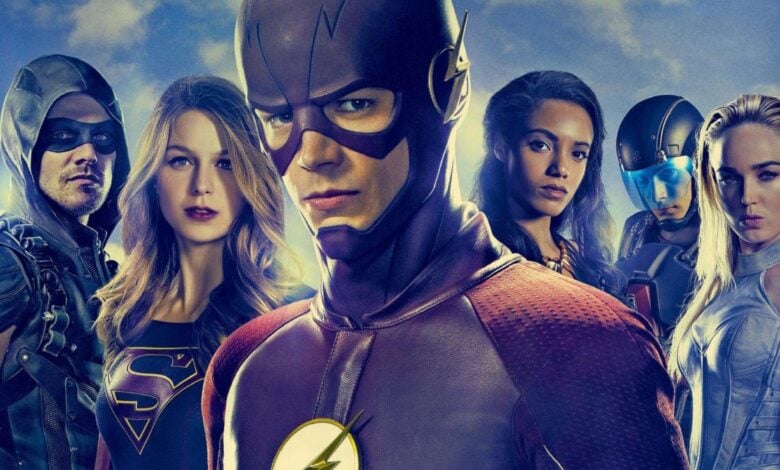
Just six or so years ago, we had Titans, featuring Nightwing, Red Hood and Robin. We had Superman & Lois, The Flash, Arrow, Batwoman, WandaVision and The Falcon and the Winter Soldier. Before that, we had the likes of Agents of SHIELD, Smallville and plenty more.
It felt like, once upon a time, showrunners and networks weren’t scared to take a top-tier superhero and give them their own television series. Now, it certainly feels otherwise.
Marvel has especially dropped the ball here. I know their current aim appears to be focusing more on grounded-level heroes, but they haven’t even managed to consistently pull that off. Let’s be honest: when you look at the likes of Echo, Agatha All Along, Ironheart and Ms. Marvel, these are hugely forgettable shows built around C-tier heroes at best.
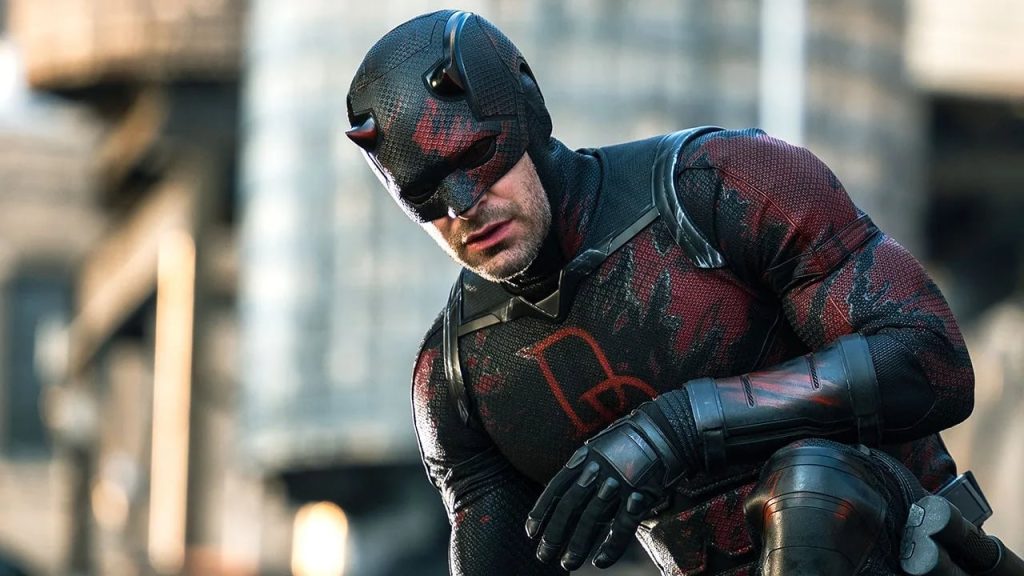
And even when we do get a superhero show that actually feels important, like Daredevil: Born Again, the tie-in to the wider Marvel Cinematic Universe is pathetically poor.
In Spider-Man: Brand New Day, besides a poster in the background, we got practically nothing connecting the film to the events of Daredevil’s show, which massively reduces the impact of what happened there.
Fisk literally took over New York, the city went under siege and he formed an entire anti-vigilante task force, yet Spider-Man barely factors into any of it. Then, when Spider-Man gets his own movie set in that same city, Fisk and everything that happened in Born Again might as well not exist.
That actually annoys me because, once again, Marvel’s television shows and movies feel completely separate when they’re not supposed to be.
DC isn’t innocent here either.
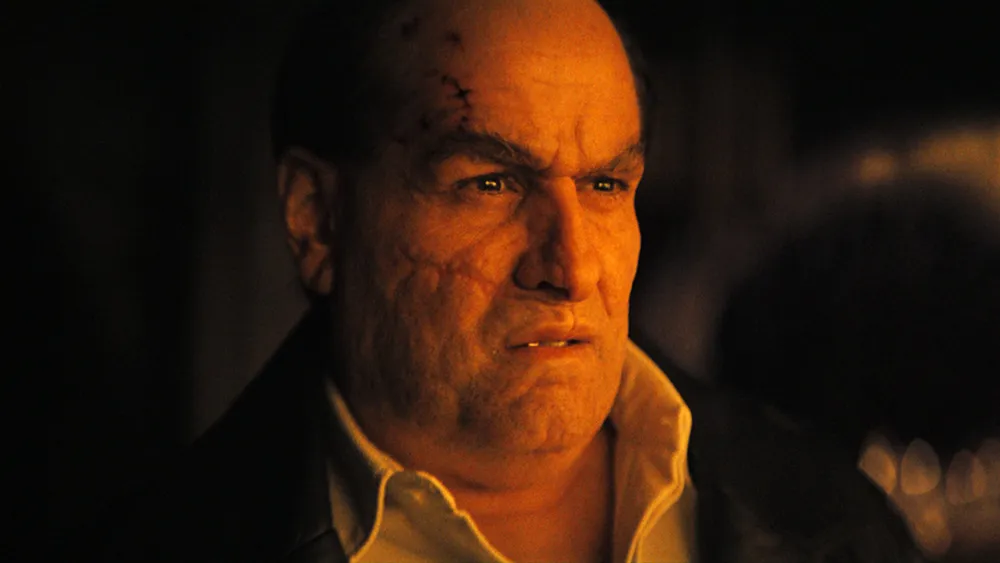
The Penguin and Peacemaker absolutely deserve mentions. Both of these shows are A-tier television and absolutely phenomenal in their own right. However, Batman couldn’t even make a cameo in The Penguin? Peacemaker is a spin-off from The Suicide Squad, and before that movie he was a relatively unknown character to general audiences.
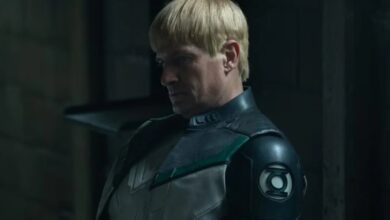
Currently airing, we have Lanterns, which has also been a great watch so far, but you can tell from a million miles away that it doesn’t have the freedom to truly cut loose.
And that’s my issue with superhero television right now.
When I say “premium,” I don’t necessarily mean production quality. The Penguin is probably a better-made television series than half the Arrowverse ever was. What I mean is importance. There was once a time when television itself was trusted with major superheroes, major villains and storylines that actually felt like they mattered. Now, more often than not, the biggest names are reserved for cinema while television gets the characters orbiting around them.
Let’s compare The Penguin with the Arrowverse for a moment.
The Arrowverse had an abundance of important characters and storylines. The Flash, Reverse-Flash, Green Arrow, Deathstroke, Ra’s al Ghul, Supergirl, Black Canary, White Canary, Martian Manhunter, Lex Luthor, Zoom and plenty more all had major roles across those shows. You could argue that not every single one of those characters is A-tier, but they’re certainly significant names within DC and, more importantly, they felt huge on television.
That’s where The Penguin highlights the difference for me. Its story was exceptional and the show itself was phenomenal, but it still felt like Batman was being deliberately kept behind a glass wall. We were watching a series set directly inside Matt Reeves’ Batman universe, centred around one of Batman’s most famous villains, yet Robert Pattinson couldn’t even appear for a brief cameo.
The Penguin didn’t need Batman to make it a great show, but his complete absence still reinforces the feeling that television is allowed to play in these worlds without ever truly being trusted with their biggest characters.
Lanterns is another show that feels like it’s operating behind that same glass wall. Again, it’s been entertaining and enjoyable, but a huge part of what makes a Green Lantern a Green Lantern has been kept in the background.
I know the series was always advertised as a buddy detective story with a more grounded approach, but we’re talking about Hal Jordan, John Stewart and Guy Gardner, three of the most popular Green Lanterns DC has. Yet we’ve seen surprisingly little action involving the rings themselves.
Now, this is purely speculation on my part, but it does make me wonder whether budget is playing a part. Because if you’re going to make a Green Lantern television series but hold back on the rings, the suits and the spectacle that comes with them, then at some point you have to ask: why bother? Those elements aren’t just decoration. They’re a huge part of what makes Green Lantern feel like Green Lantern.
I also remember the spectacle of the crossover events. In the Arrowverse, they genuinely became some of the most exciting superhero television around. Crisis on Earth-X, Invasion!, and even Crisis on Infinite Earths, for all its flaws, still felt like a proper event.
These shows were running for 20+ episodes a season — sometimes too many, absolutely, because filler was always an issue — but a lot of those episodes still mattered. Then, roughly a third of the way through the season, everything would suddenly stop for this huge crossover event that made the entire shared universe feel connected.
That sense of occasion mattered. You knew when a crossover was coming because it felt like television was building towards something genuinely massive.
Marvel had its own version of that through the Netflix shows, where Daredevil, Jessica Jones, Luke Cage and Iron Fist eventually collided in The Defenders. It wasn’t always executed perfectly, but the ambition was there. The shows felt like they were building towards each other.
Recently, superhero television has felt anything but that. The shows exist alongside one another, but rarely feel like they’re actually part of something bigger.
Maybe that’s ultimately what I miss most. I don’t need another Arrowverse with six shows running at once, nor do I need 20+ episode seasons full of filler. But I do miss superhero television feeling important. I miss major heroes being trusted with their own shows, crossover events feeling like genuine occasions and television stories actually having an impact on the wider universe.
The Penguin, Daredevil: Born Again, Peacemaker and Lanterns have all proven that superhero television can still be genuinely brilliant. But brilliant and premium aren’t necessarily the same thing.
Right now, superhero television increasingly feels like the place where these wider universes send their supporting characters, while the biggest names, biggest moments and biggest spectacles are saved for cinema.
And that’s the real problem. Superhero television hasn’t necessarily gotten worse.
It just doesn’t feel as important anymore.