Superhero games usually sell power fantasies. You fly, fight gods, level cities, and save the world with your fists. Dispatch is something that is unique and special in its own way. It replaces powers with responsibility.
Instead of being in the streets playing hero, Dispatch literally says “nope” and plods you behind a desk, where you lead a team of super villains-turned-heroes managing crises, personalities, and consequences.
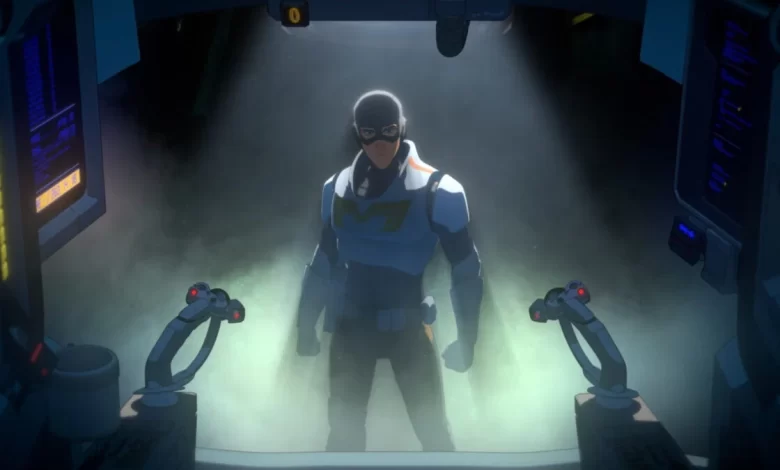
In Dispatch, you’re a former superhero working as an emergency dispatcher, coordinating active heroes across a city full of problems. You don’t rush into danger yourself; you decide who goes, when, and why. That distance creates realism. You can not solve everything personally; you need to rely on others and pick the right heroes to get the job done.
The heroes are flawed, emotional, and sometimes unreliable, just like real people. The loss of direct control mirrors real leadership roles, where authority doesn’t mean certainty. You have to make choices with limited information and deal with the outcome.
Within most superhero games, the world is reset after every mission. Buildings crumble, civilians panic, and five minutes later, the world is fine. Within this Dispatch game, whatever choice you make, that decision carries weight. Picking the wrong hero for the wrong situation can cause long-term damage or unexpected fallout. Sometimes there is no correct option, only the least harmful one.
That sense of consequence makes every single call you make within the game feel tense and meaningful. This isn’t about high scores or combos; you are literally trying to save people within this world.
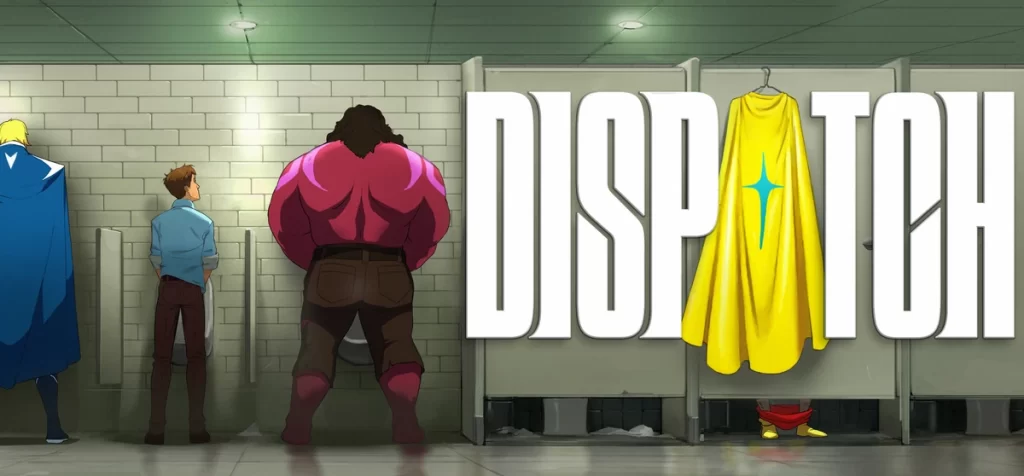
Another reason why Dispatch is so special is that the way they treat the superheroes themselves, it isn’t like the MCU or DC; they are not myths or symbols, they are literally co-workers. They argue, doubt themselves, disobey orders, and bring personal issues into the job.
This isn’t managing legends; it is managing stressed employees under very extreme pressure. This human focus strips away the gloss and replaces it with something grounded. Workplace dynamics, burnout, ego clashes, and trust.
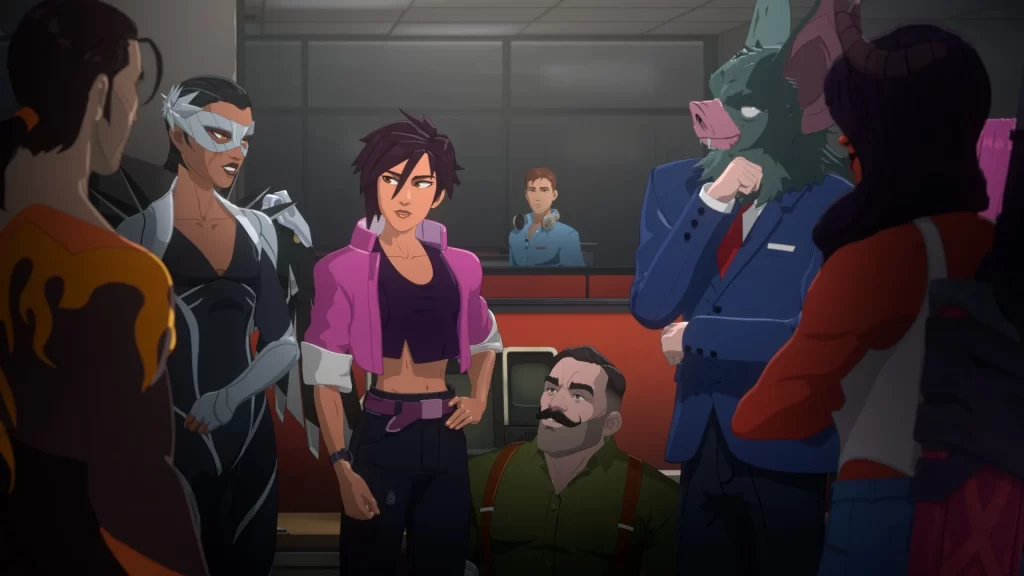
At it’s core, Dispatch is not about the superheroes at all; it’s about the systems behind the scenes, the emergency response, bureaucracy, moral compromise, and responsibility without glory. Grounding this story is what makes it stand out. You remove the spectacle and emphasizing consequence, the game captures something that many superhero games ignore: saving people is messy, stressful, and often thankless.
Dispatch proves that having realism in games doesn’t require realism in setting. Even with superheroes and city-wide disasters, the game has an authentic feel because it’s problems are human. Dispatch has one of the most grounded superhero experiences in gaming at this current time.